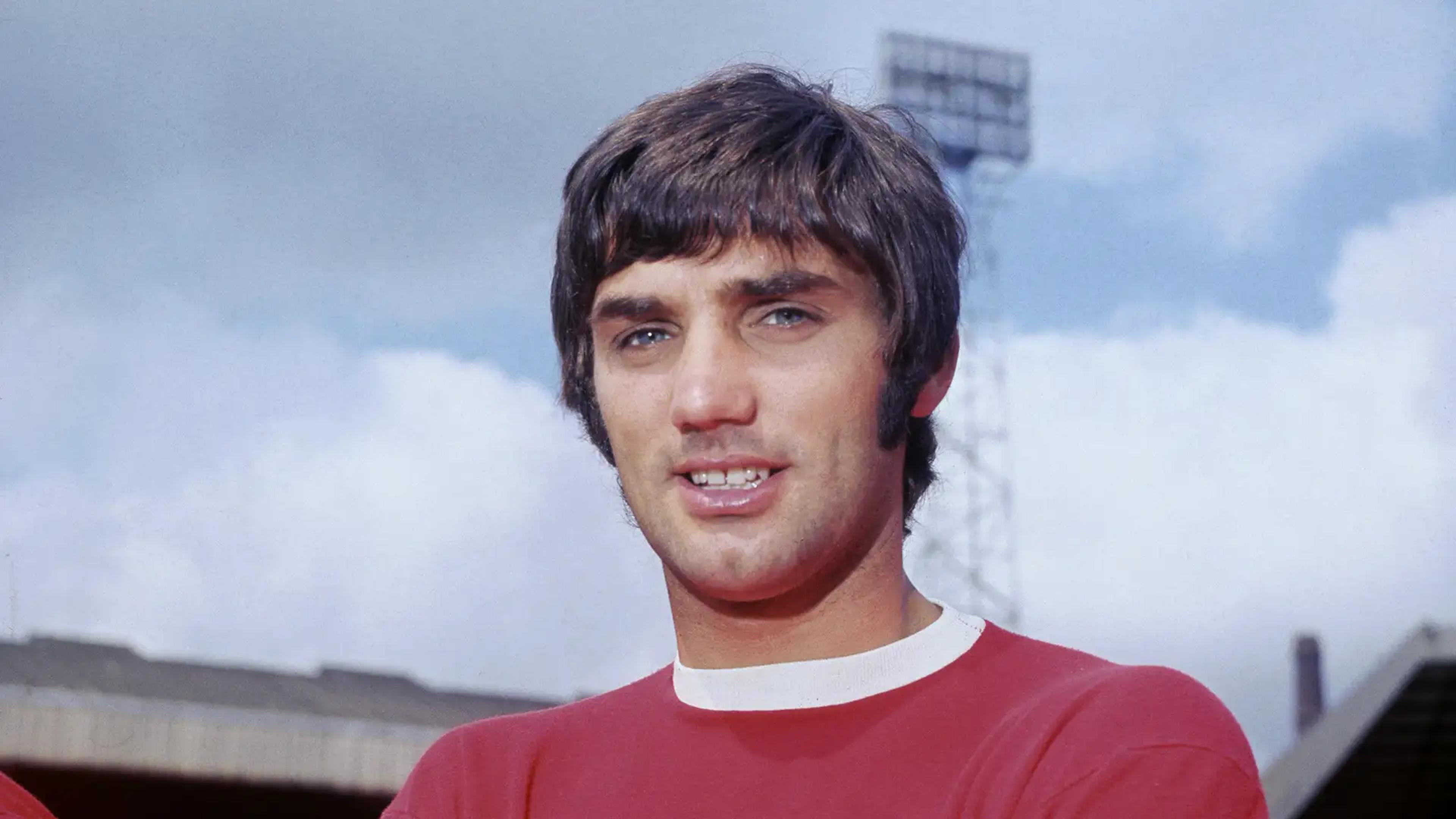
The Quote That Defined Everything
""I spent a lot of money on booze, birds, and fast cars. The rest I just squandered.""
That's George Best. In one sentence, you get the wit, the self-awareness, the defiance, and the tragedy. He knew exactly what he was doing. He just couldn't stop.
Most footballers become famous for what they do on the pitch. George Best became famous for existing. He was the first footballer whose life off the pitch was as scrutinized, celebrated, and ultimately mourned as his performances on it.
Before Beckham's haircuts. Before Ronaldo's abs. Before Neymar's nightclubs. There was George. A skinny kid from the backstreets of Belfast who dribbled past defenders like they were standing still, dated Miss Worlds, crashed Jaguars, and drank himself into oblivion while the whole world watched.
He was the first rockstar footballer. And like so many rockstars, he didn't survive the fame.
Belfast, 1946: The Beginning
George Best was born on May 22, 1946, in Cregagh, a working-class Protestant neighborhood in East Belfast. His father, Dickie, worked as an iron turner. His mother, Ann, struggled with alcoholism. That shadow would haunt George's entire life.
Belfast in the 1940s and 50s wasn't producing glamour. It was producing shipyard workers, linen mill laborers, and survivors. Football was an escape, not a career path.
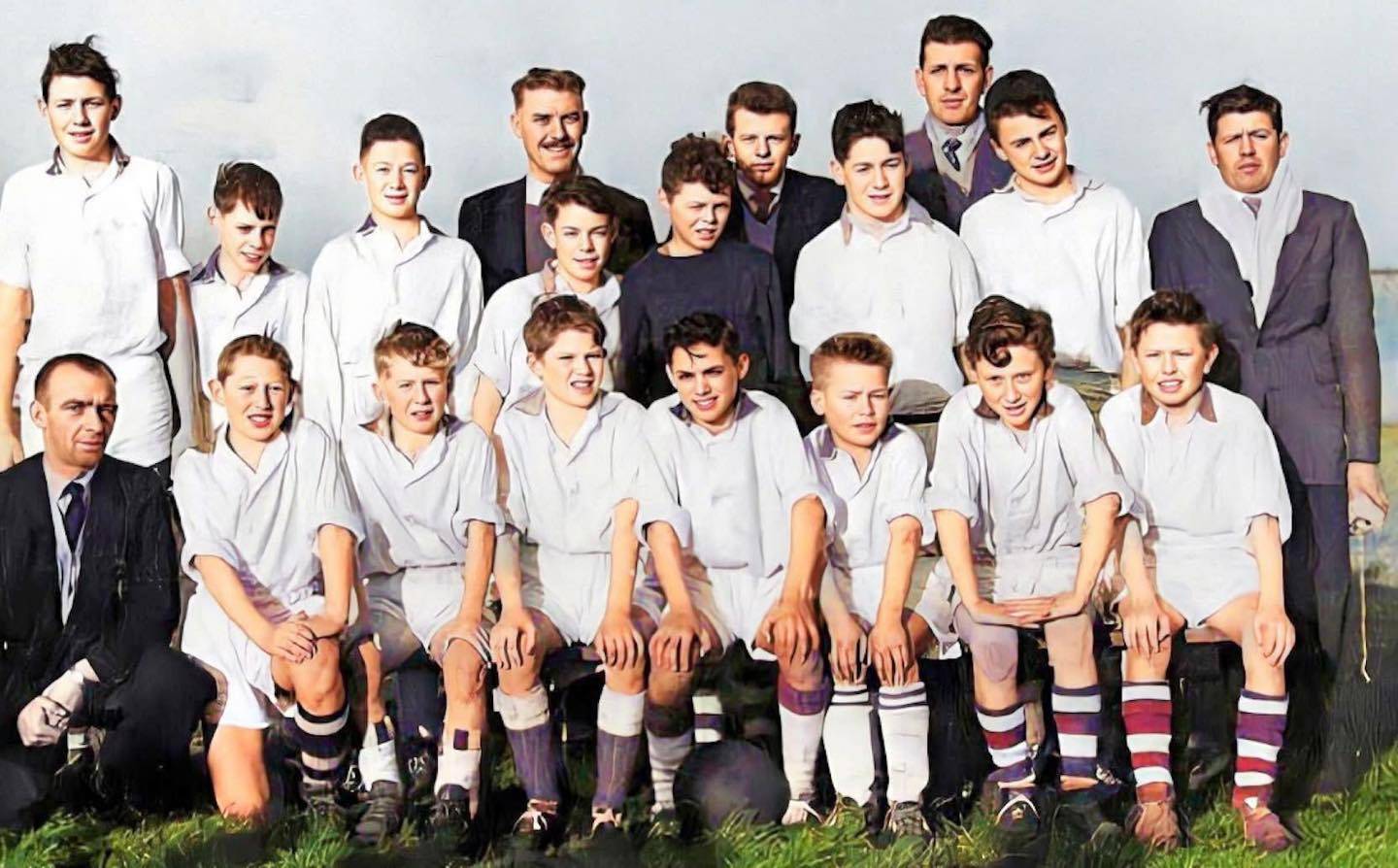
But George was different from the first touch.
By age 11, he was playing for Cregagh Boys' Club. Skinny as a pipe cleaner, running rings around kids twice his size. Local scouts couldn't believe what they were seeing. This wasn't just talent. This was something else entirely.
In 1961, Manchester United scout Bob Bishop watched 15-year-old George play a youth match. That night, Bishop sent a telegram to United manager Matt Busby that would become football legend:
""I think I've found you a genius.""
He wasn't exaggerating.
Old Trafford, 1963: The Arrival
George arrived in Manchester weighing barely 8 stone (112 pounds). He was so homesick that he returned to Belfast within 24 hours of his first visit. Matt Busby personally called him back, promising to look after him.
It was a promise Busby kept. It was also a promise the football world would eventually break.
Best made his first-team debut on September 14, 1963, against West Bromwich Albion. He was 17 years old. United won 1-0. The reviews were polite but unremarkable.
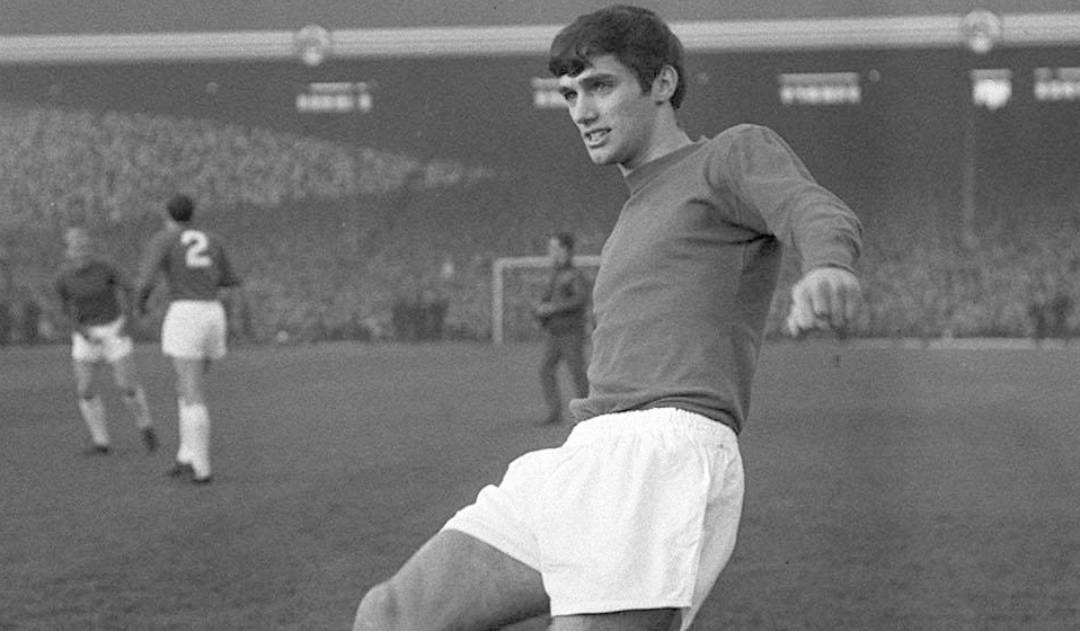
Then came December 28, 1963: Manchester United vs. Burnley at Old Trafford.
George Best scored. Then he scored again. Then he tore the Burnley defense apart like they were training cones.
The kid from Belfast had arrived. And English football would never be the same.
1964 to 1968: The Genius Years
What made George Best special? Everything.
His balance was supernatural. He could shift direction at full speed without losing the ball, leaving defenders grasping at air. Watch the highlights from the 1968 European Cup Final. There's a moment in extra time where Best receives the ball, drops his shoulder, and three Benfica defenders literally fall over each other trying to stop him.
His dribbling was improvisational jazz. He didn't plan moves; he felt them. Bobby Charlton, his teammate for a decade, once said: "George could beat defenders in ways the rest of us couldn't even imagine."
His finishing was ice-cold. 179 goals in 470 appearances for Manchester United. In an era of mud pitches, brutal tackling, and leather balls that weighed twice as much when wet.
His courage was insane. Defenders tried to kick him out of games. Literally. In the 1960s, there were no red cards, no TV replays, no protection for skillful players. George got hacked, stamped on, elbowed, and punched. He kept coming back. He kept humiliating them.
The Benfica Night: March 9, 1966
Manchester United traveled to Lisbon for a European Cup quarter-final second leg. Benfica were the two-time defending European champions. The Stadium of Light held 75,000 hostile fans. United needed to protect a 3-2 aggregate lead.
Matt Busby's instructions: "Keep it tight. Don't take risks. Defend the lead."
George Best's interpretation: "Score two goals in the first 12 minutes and make Benfica look like amateurs."
He did exactly that.
The first goal: a mazy dribble past three defenders, finished with surgical precision. The second: a towering header from a corner, outjumping everyone despite being 5'9".
By halftime, it was 5-1 to United. George had destroyed the best team in Europe. Single-handedly.
The Portuguese press nicknamed him "El Beatle" because of his shaggy haircut and because he was the most famous person in the building who wasn't holding a musical instrument.
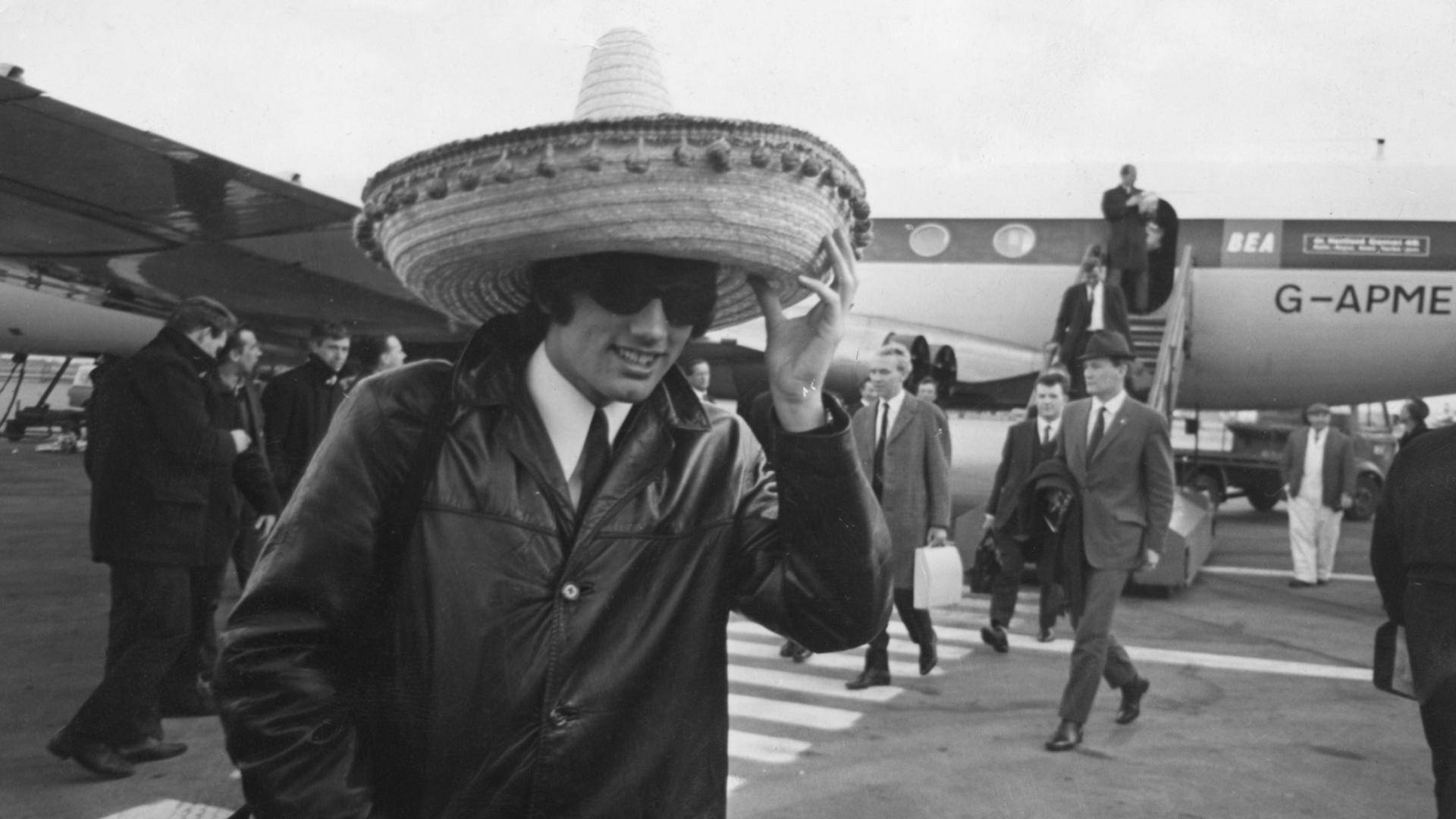
The next morning, George flew back to Manchester wearing a sombrero he'd bought in Lisbon. The photographs went worldwide.
"The first rockstar footballer had announced himself."
El Beatle: Football Meets Pop Culture
Here's what you need to understand about the 1960s: footballers were not celebrities.
They earned decent wages, maybe £100 per week at the top level (about £2,000 today). They lived in semi-detached houses in the same neighborhoods as factory workers. They took the bus to training. They were respected, yes, but not famous in the modern sense.
George Best changed everything.
By 1966, he was:
- On the cover of magazines that had never featured a footballer before
- Dating models and actresses, including Miss Worlds, beauty queens, and TV presenters
- Opening boutiques. His fashion store "Edwardia" in Manchester became a teenage pilgrimage site
- Appearing in television commercials. The first footballer to have a significant advertising portfolio
- Receiving 10,000 fan letters per week. More than any pop star in Britain except the actual Beatles
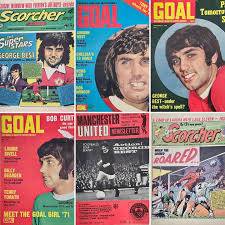
His face sold newspapers. His haircut started trends. His lifestyle created tabloid journalism as we know it.
George Best was the prototype for every celebrity footballer who followed. Every fragrance deal Beckham signed. Every Instagram post Ronaldo uploaded. Every nightclub Neymar visited. The template was written in Manchester in 1966 by a skinny kid from Belfast who just happened to be the most naturally gifted footballer anyone had ever seen.
1968: The Peak
May 29, 1968. Wembley Stadium. European Cup Final.
Manchester United vs. Benfica. A rematch of the 1966 quarter-final humiliation. This time, for the biggest trophy in club football.
For Matt Busby, this was personal. Ten years earlier, eight of his players (the "Busby Babes") had died in the Munich air disaster. Busby himself nearly died. He spent years rebuilding the club from the ashes.
The 1968 final was his redemption.
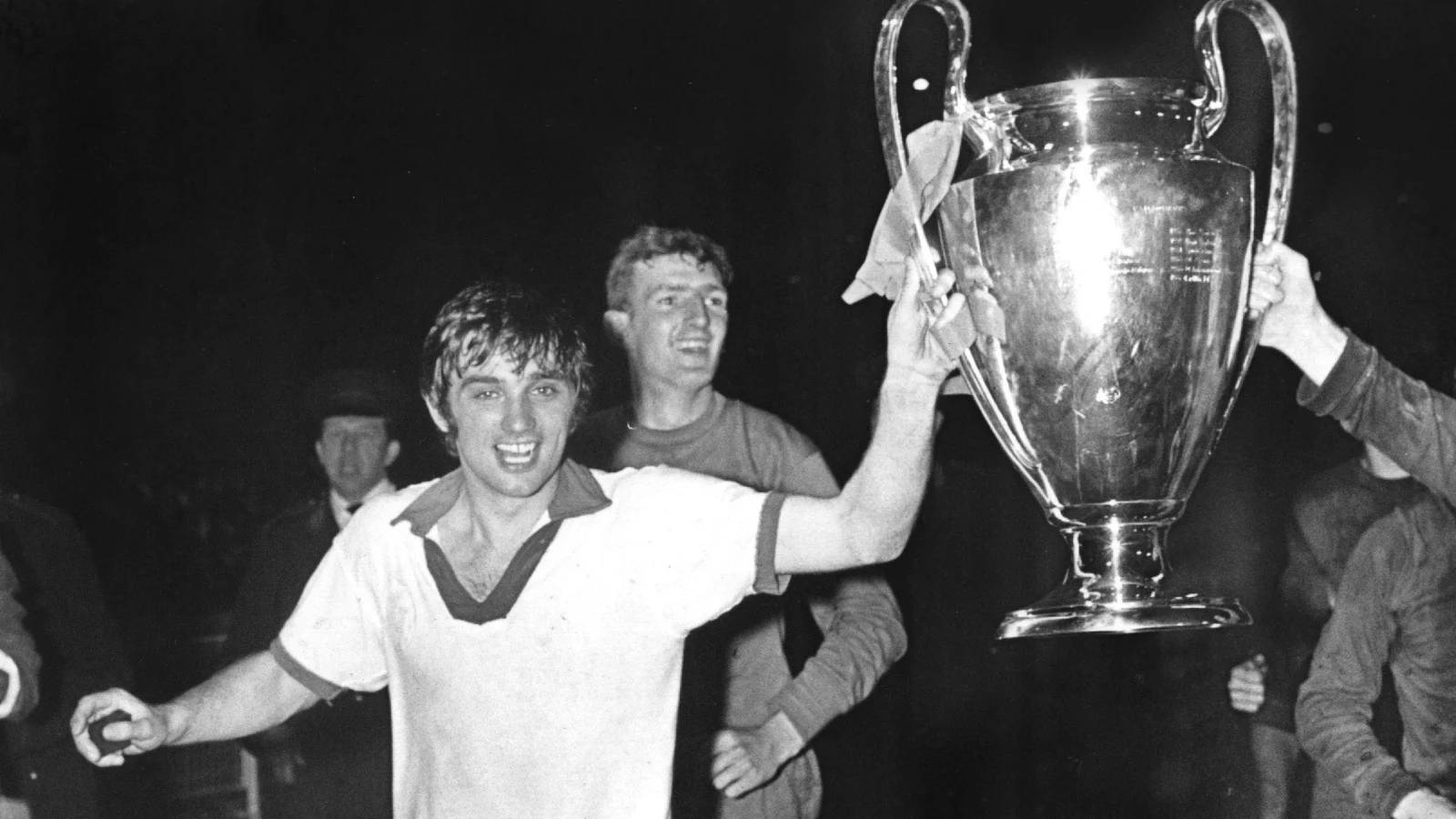
After 90 minutes: 1-1. Extra time.
In the 93rd minute, George Best received the ball on the edge of the Benfica penalty area. He looked up. Saw the goalkeeper off his line. Rounded him like he was a training cone. Finished into an empty net.
2-1. United went on to win 4-1.
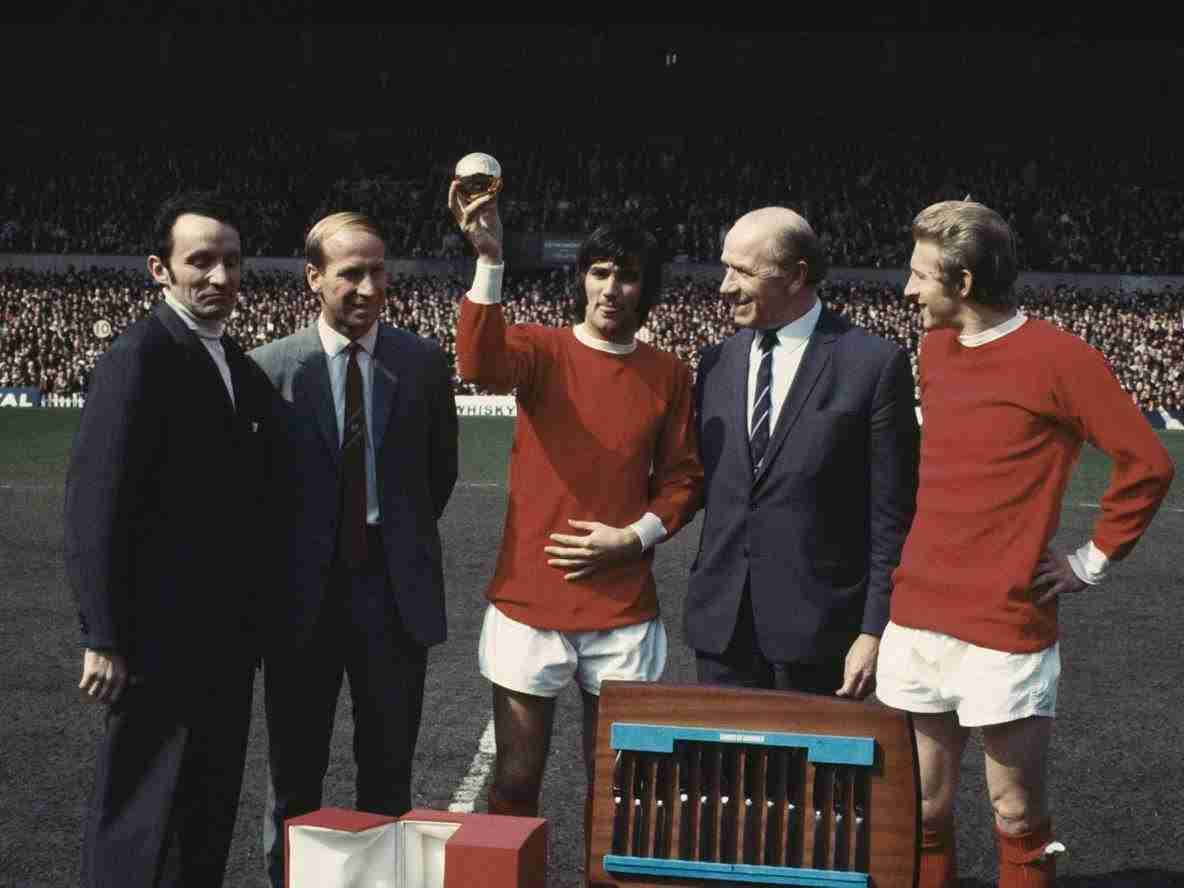
Manchester United became the first English club to win the European Cup. George Best was named European Footballer of the Year, the Ballon d'Or. He was 22 years old.
The world was at his feet.
"And then, slowly, terribly, it all began to fall apart."
See the highlight of this match here:
The Wandering Years: 1974 to 1983
After United, George became a football nomad.
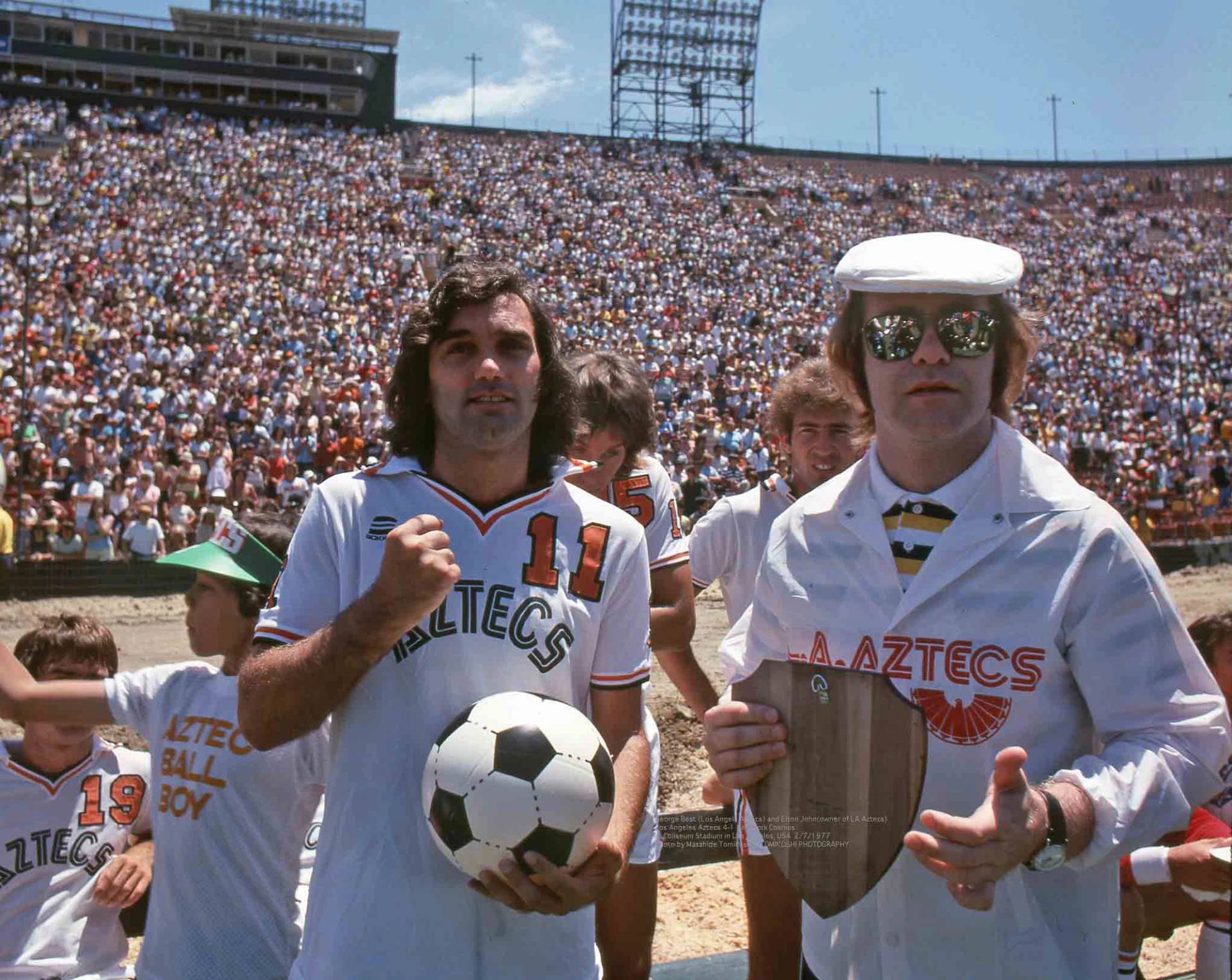
Stockport County (1975). Cork Celtic (1975). Los Angeles Aztecs (1976 to 1978). Fulham (1976 to 1977). Fort Lauderdale Strikers (1978 to 1979). Detroit Express (1978 to 1979). Hibernian (1979 to 1980). San Jose Earthquakes (1980 to 1981). AFC Bournemouth (1983).
Some of these stints were respectable. At Fulham, playing alongside Rodney Marsh, George showed flashes of the old magic. In America, he became a cult hero. The exotic European genius gracing NASL pitches with touches of brilliance.
But mostly, these were sad chapters. A great champion playing out the string in half-empty stadiums, trading on a reputation earned a decade earlier.
The drinking never stopped. It got worse.
The Tabloid Circus
Throughout the 1980s and 1990s, George Best was more famous for his alcoholism than his football.
The tabloids documented every relapse. Every hospitalization. Every public incident.
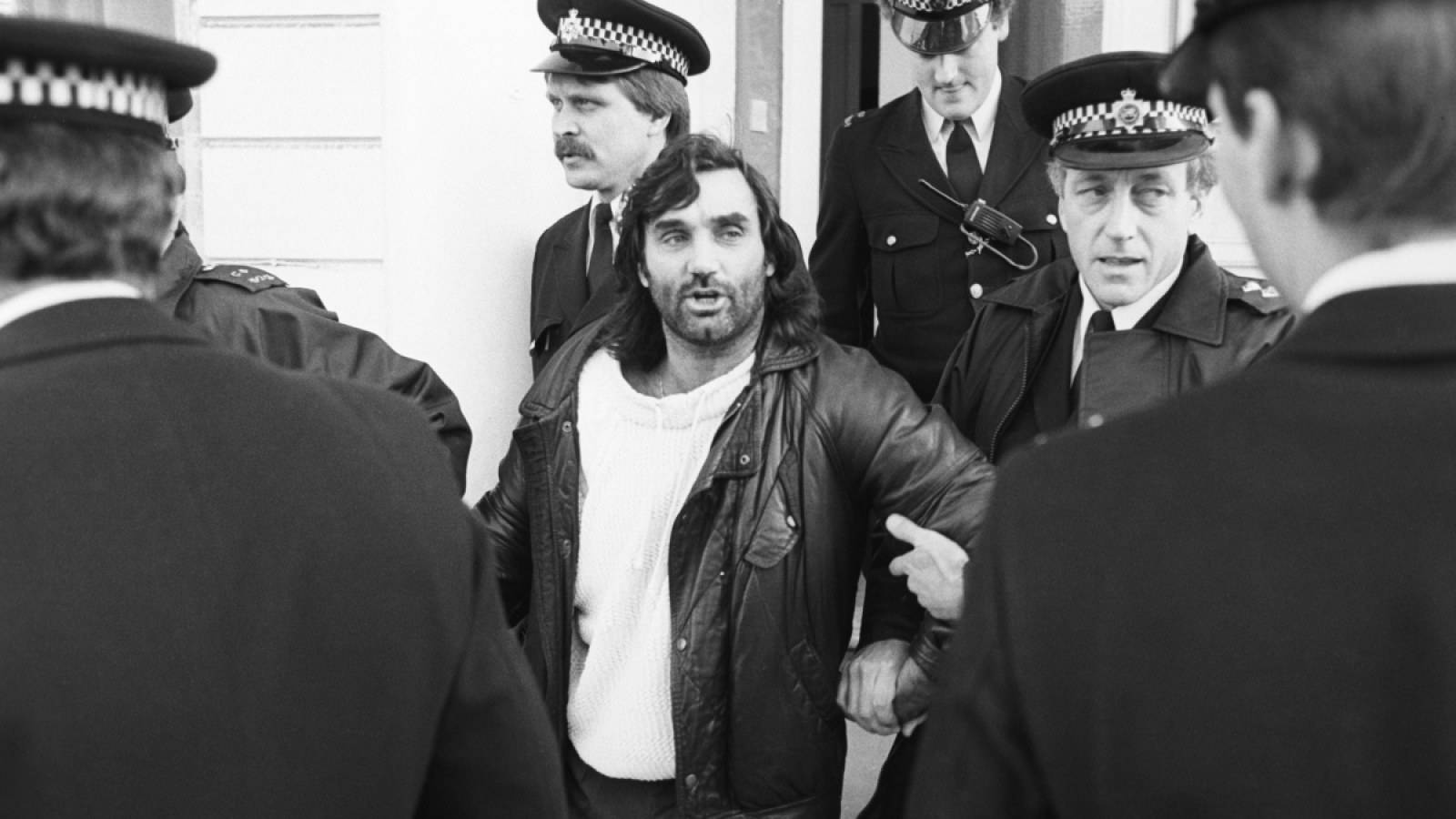
- 1984: Arrested for drunk driving, assault on a police officer, and criminal damage. Sentenced to three months in prison.
- 1990: Appeared visibly drunk on the BBC chat show Wogan, slurring words and making inappropriate comments. The clip became infamous.
- 2002: Received a liver transplant after his original liver failed due to alcoholism. Doctors gave him a second chance at life.
- 2003: Photographed drinking wine, barely a year after the transplant. The public outcry was immense.
George's response, characteristically, was defiant:
""I was born with a great gift, and sometimes that comes with a destructive streak. Just because you have a great talent doesn't mean you're a great person.""
He knew. He always knew. He just couldn't stop.
The Women
George Best's romantic life could fill an encyclopedia.
- Angela MacDonald-Janes (1978 to 1986). They had a son, Calum, born in 1981
- Alex Pursey (1995 to 2004). She stood by him through the liver transplant and beyond
But the marriages were bookends to a life of constant romantic chaos. He dated Miss Worlds (Mary Stavin, Marjorie Wallace). He dated actresses (Susan George, Lynsey de Paul). He dated models whose names filled gossip columns for decades.
By his own count, George claimed to have slept with seven Miss Worlds.
""I used to go missing a lot. Miss Canada, Miss United Kingdom, Miss World...""
Even his one-liners about destruction were charming.
November 25, 2005: The End
George Best died at Cromwell Hospital, London, on November 25, 2005. He was 59 years old.
The cause: lung infection and multiple organ failure, complications of the immunosuppressive drugs he'd been taking since his liver transplant. His body, ravaged by decades of alcohol abuse, simply gave out.
His final public statement, released through his son Calum, read:
""Don't die like me.""
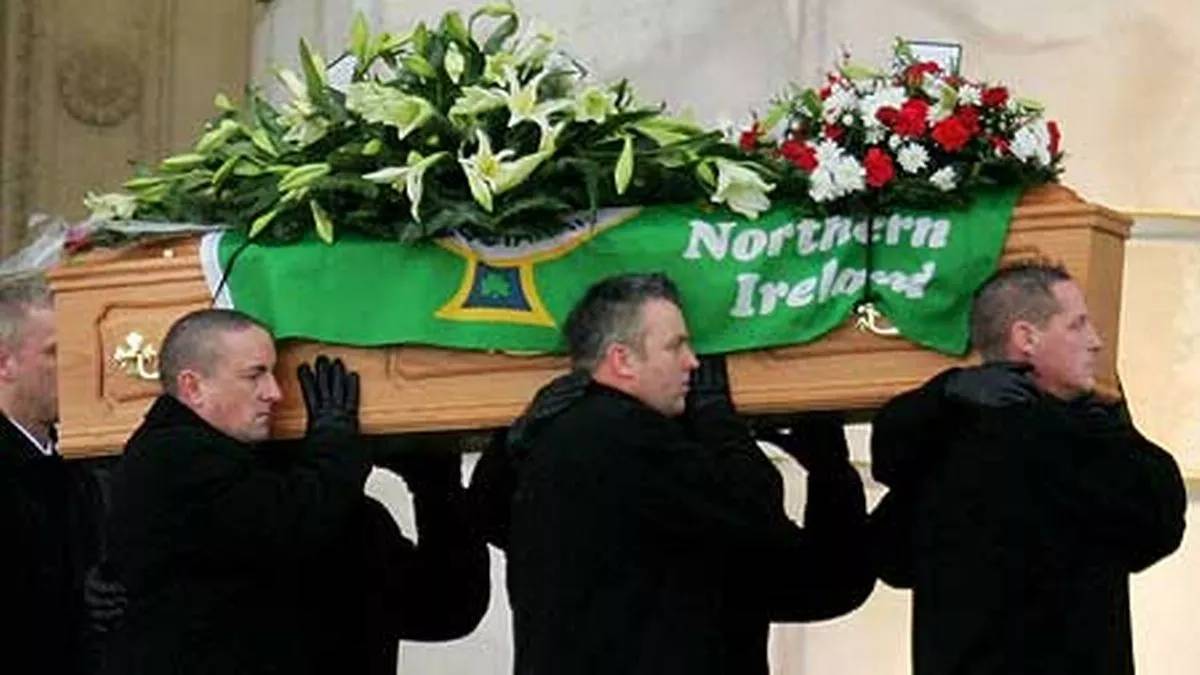
The funeral was held in Belfast, the city he'd left as a 15-year-old boy with nothing but a football and a dream. Over 100,000 people lined the streets to pay their respects. The coffin was draped in the flags of Manchester United and Northern Ireland.
At Stormont, the seat of Northern Ireland's government, political rivals from both sides of the sectarian divide stood together to honor him. In a land torn apart by religious conflict, George Best was one of the few figures who belonged to everyone.
The Legacy: What George Best Means
As a Footballer
George Best was, by almost universal consensus, the most naturally talented British footballer who ever lived.
Pelé called him "the greatest player in the world." Diego Maradona said he was "a true great." Johan Cruyff ranked him among the five best players he ever saw.
The statistics barely capture it:
- 470 appearances for Manchester United
- 179 goals
- 1 European Cup
- 2 First Division titles
- 1 Ballon d'Or (1968)
But the numbers miss the point. George Best was about moments. The dribble that shouldn't have been possible, the goal that defied physics, the piece of skill that made 50,000 people gasp simultaneously.
"He played football like it was art. And for a few years, it was."
As a Cautionary Tale
George Best's life is also a warning.
About addiction. About fame. About the gap between talent and character. About the industries (media, football, entertainment) that celebrate young geniuses without protecting them from themselves.
He had everything. He lost everything.
And the saddest part? He saw it happening. He narrated his own destruction with wit and clarity and a kind of exhausted acceptance.
"If I'd been born ugly, you'd never have heard of Pelé."
Self-deprecating. Self-aware. And probably, tragically, true.
Pele, the King himself, sent a wreath to George’s funeral. It read: "From the second best player in the world."
George Best was the beautiful bridge between the old world of football and the new. He had the grit of the 50s and the glamour of the 70s. He was flawed, broken, and magnificent.
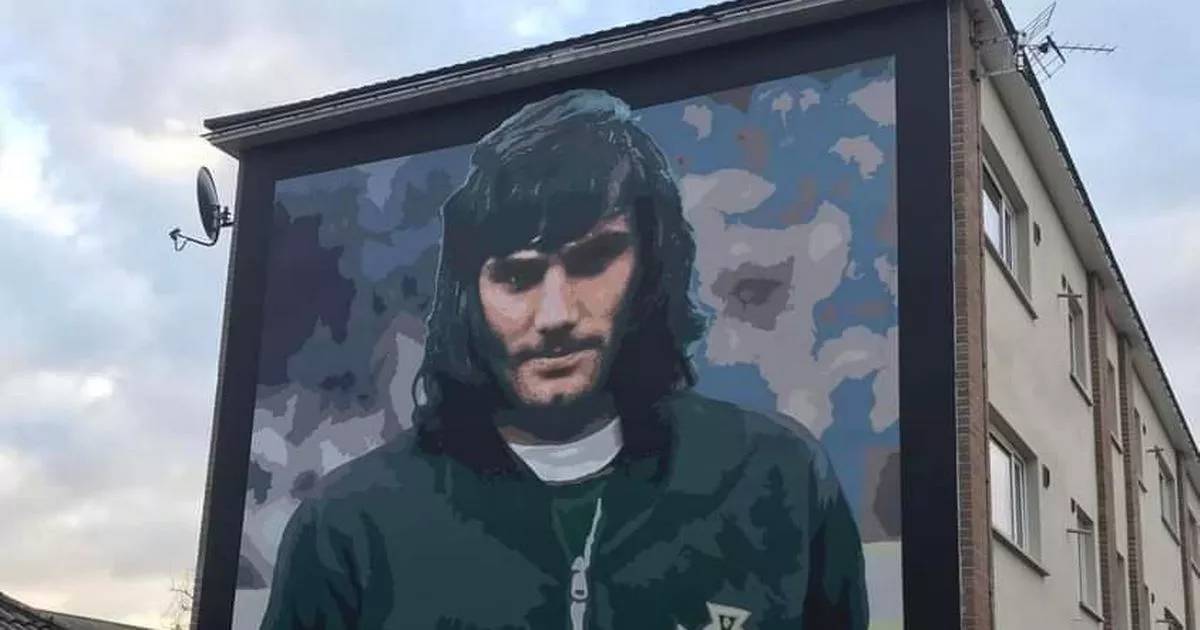
On a wall in Belfast, a mural remains. It sums up everything better than any biography ever could:
""Maradona Good. Pele Better. George Best.""
/Final Thought
He was the best. For a moment, he was the very best there ever was.
And then he was gone.
George Best showed us that genius and self-destruction can live in the same body. That fame can be a prison. That talent, no matter how extraordinary, cannot save you from yourself.
But he also showed us beauty. On muddy pitches in Manchester, in sun-drenched stadiums in Lisbon, in half-empty grounds across America. Wherever he played, however briefly, he reminded us why we fell in love with football in the first place.
Rest in peace, George. The rest of us are still trying to understand what you were.
Debriefing (0)
Add to the File