Football,exploreddifferently.
Stories, data and interactive experiments about the game I cannot stop thinking about.
The Latest
View all stories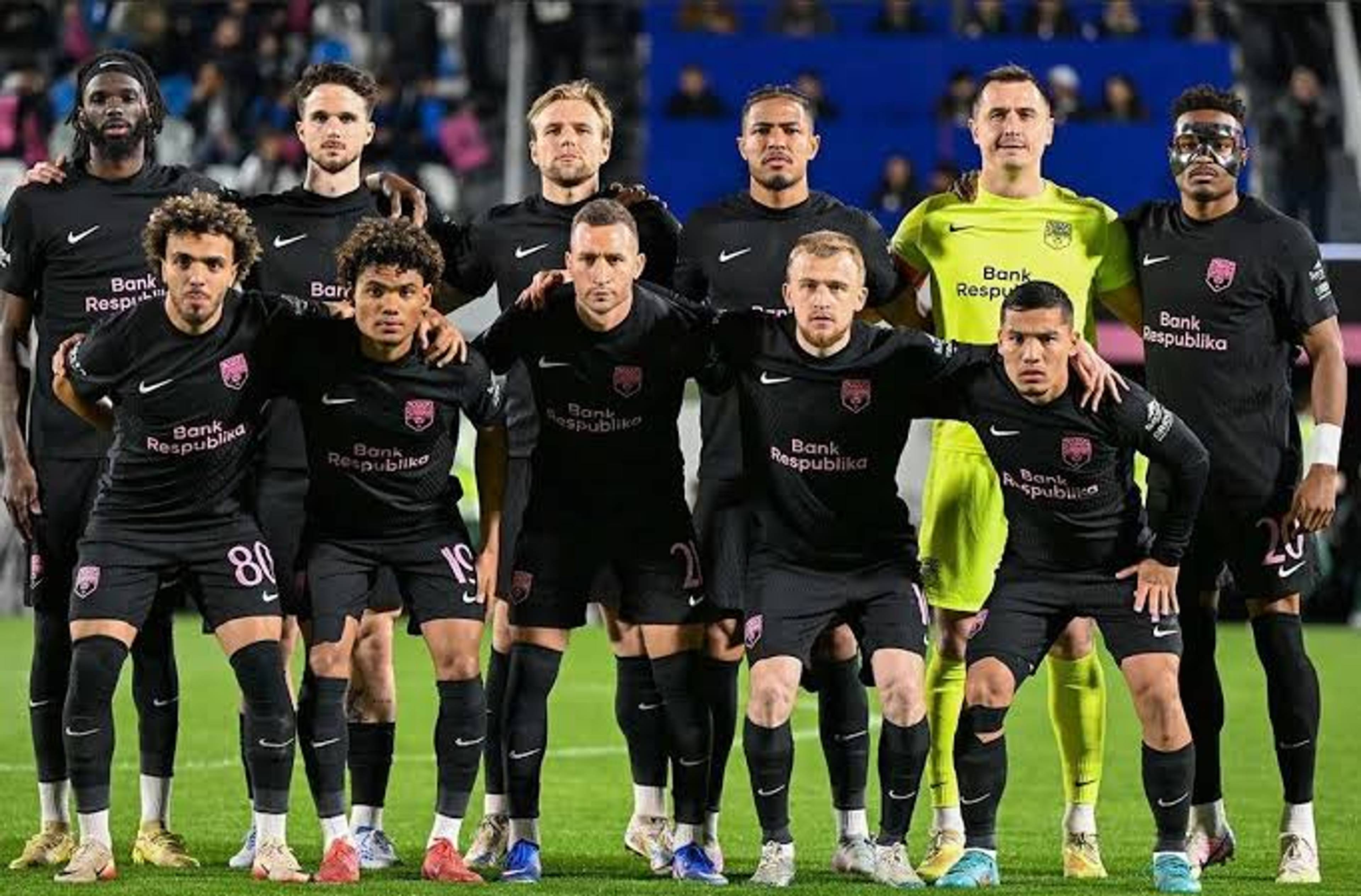
The Strange Origin Story Behind Europe’s Youngest Champions League Club: Sabah FK
Before the Champions League, there was Vətən. What looked like another story of a wealthy businessman building a football club led me instead to an old state-backed football school, Azerbaijan's education system, private capital, AFFA, and a missing bridge between youth football and the professional game.

The Smallest Club in the Biggest Dream
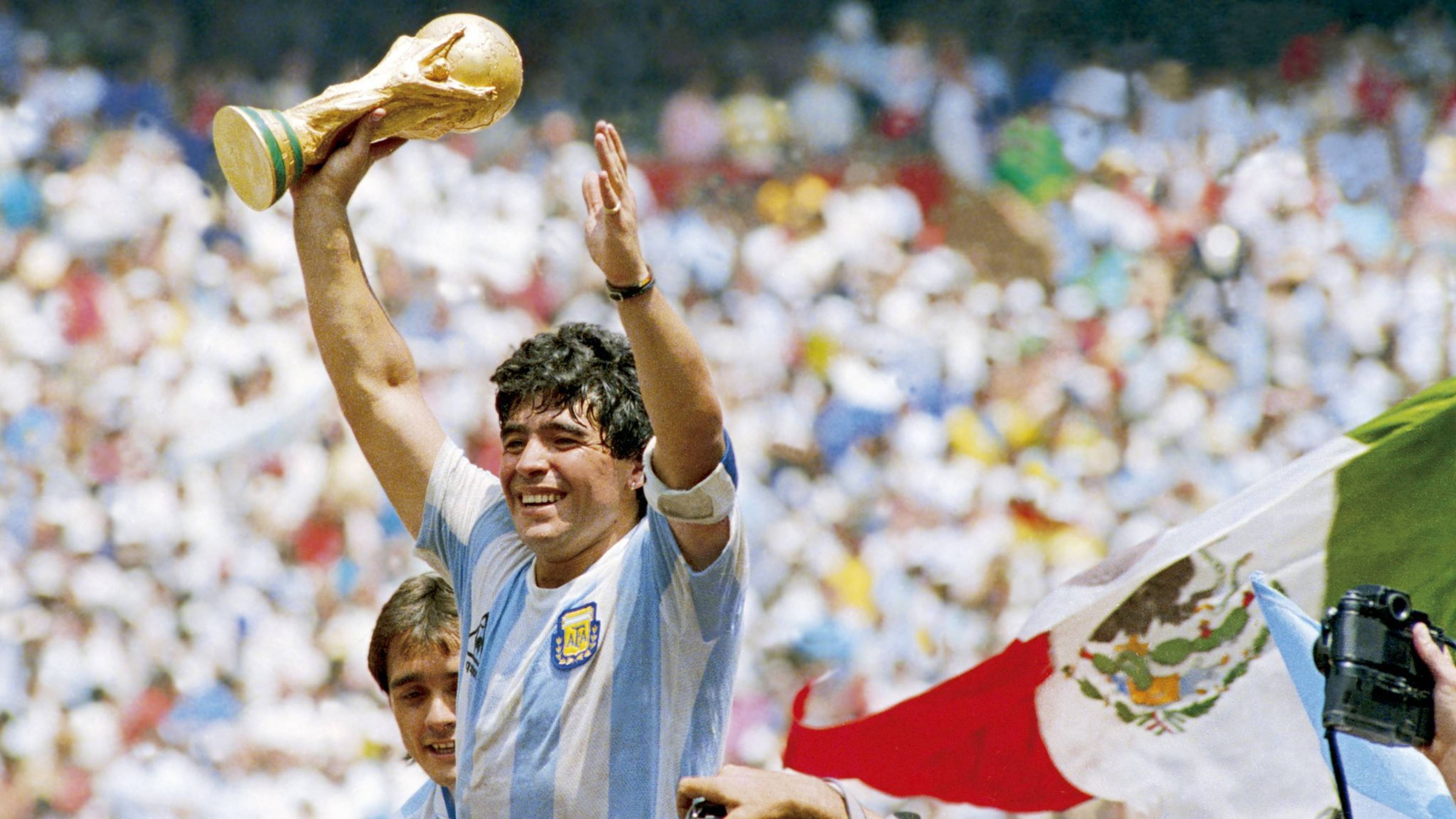
Diego Armando Maradona: The Greatest Player Football Has Ever Known
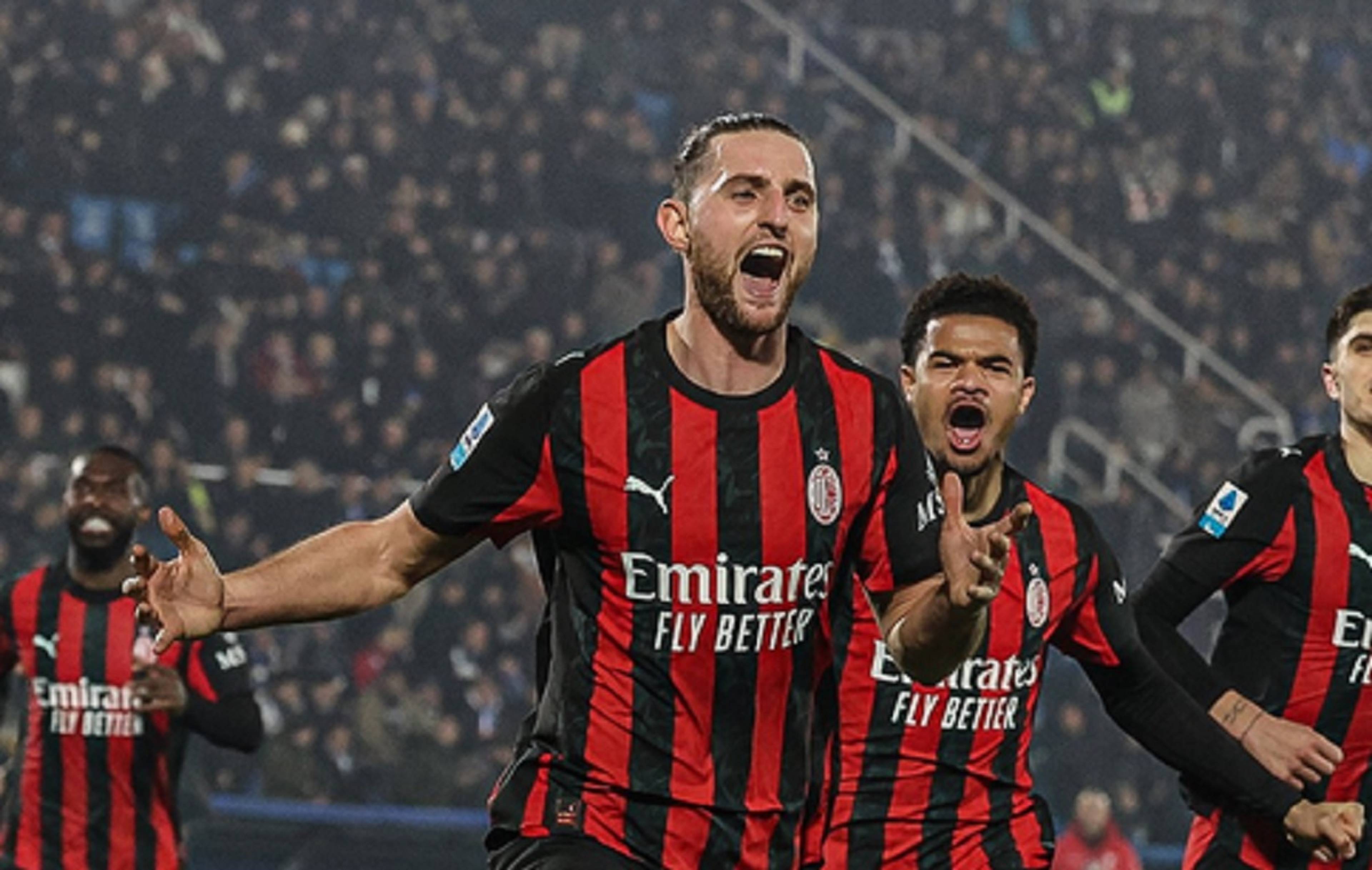
Football Isn't Gymnastics, Cesc: You Don't Get Points for Playing Beautifully
Explore the Game
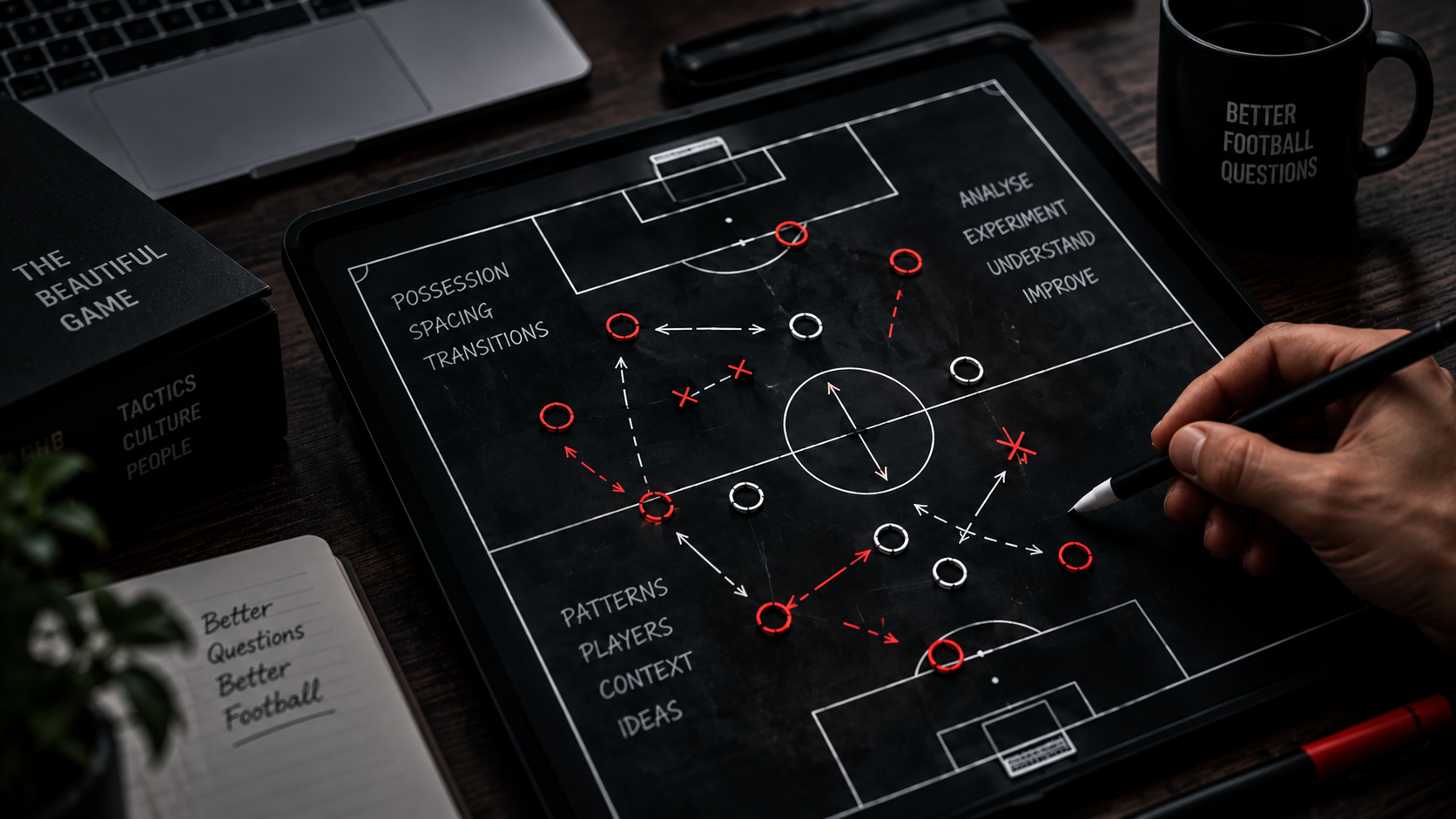
Two ways in. A deeper understanding.
Selected Reads
View all stories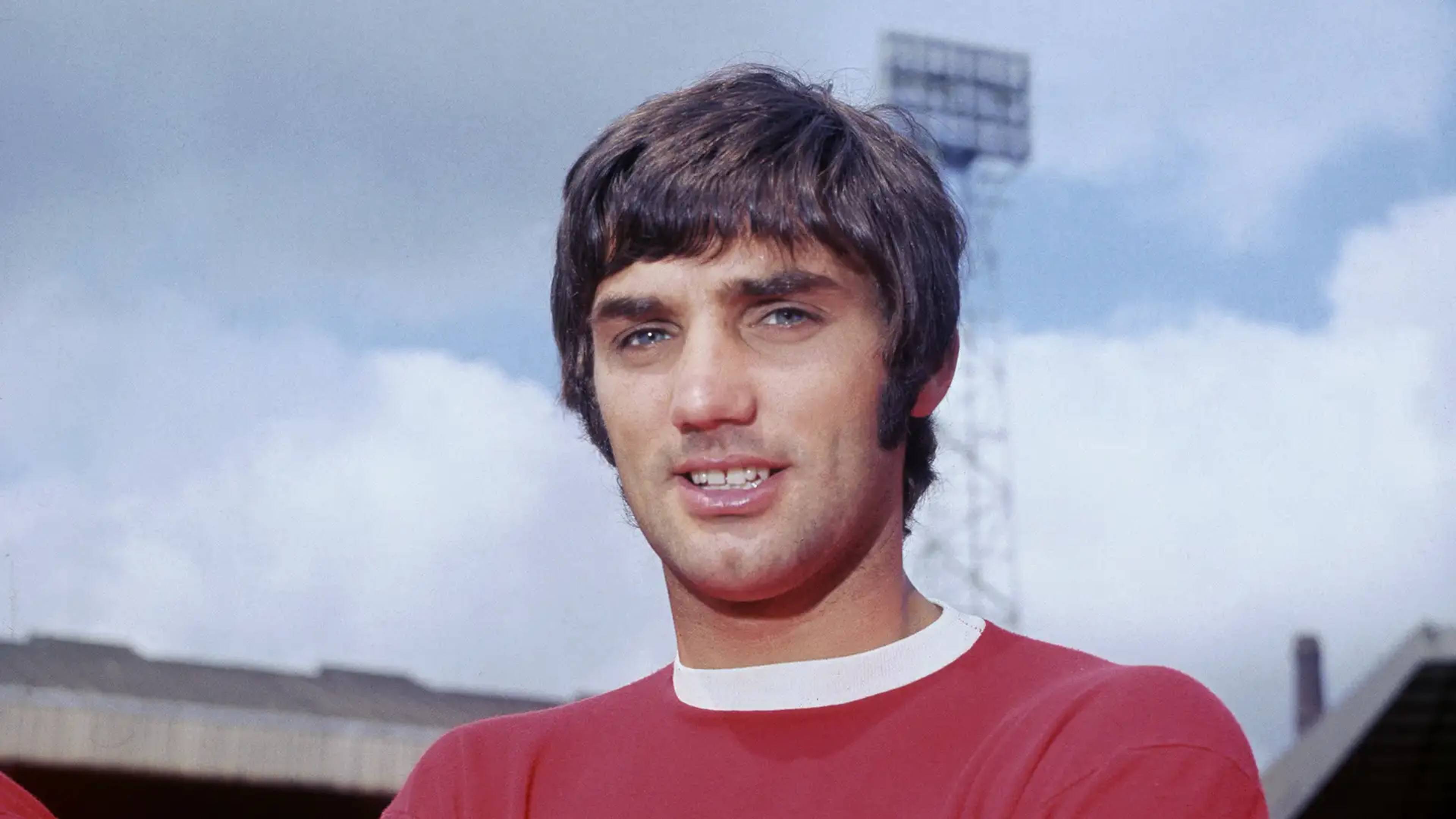
George Best: The Fifth Beatle, The First Rockstar, The Beautiful Tragedy
If you listen closely to the streets of Belfast or the terraces of Old Trafford, you can still hear the echo. It’s not the roar of a goal; it’s the gasp of disbelief. That was George Best’s currency. He didn't just score goals; he stole breath. They called him the "Fifth Beatle." It was a clever nickname, but it was wrong. The Beatles were a band, they had each other. George Best was alone. He was the first rockstar of football, a shy boy from Cregagh who was thrust onto a stage so bright it eventually burned him alive.
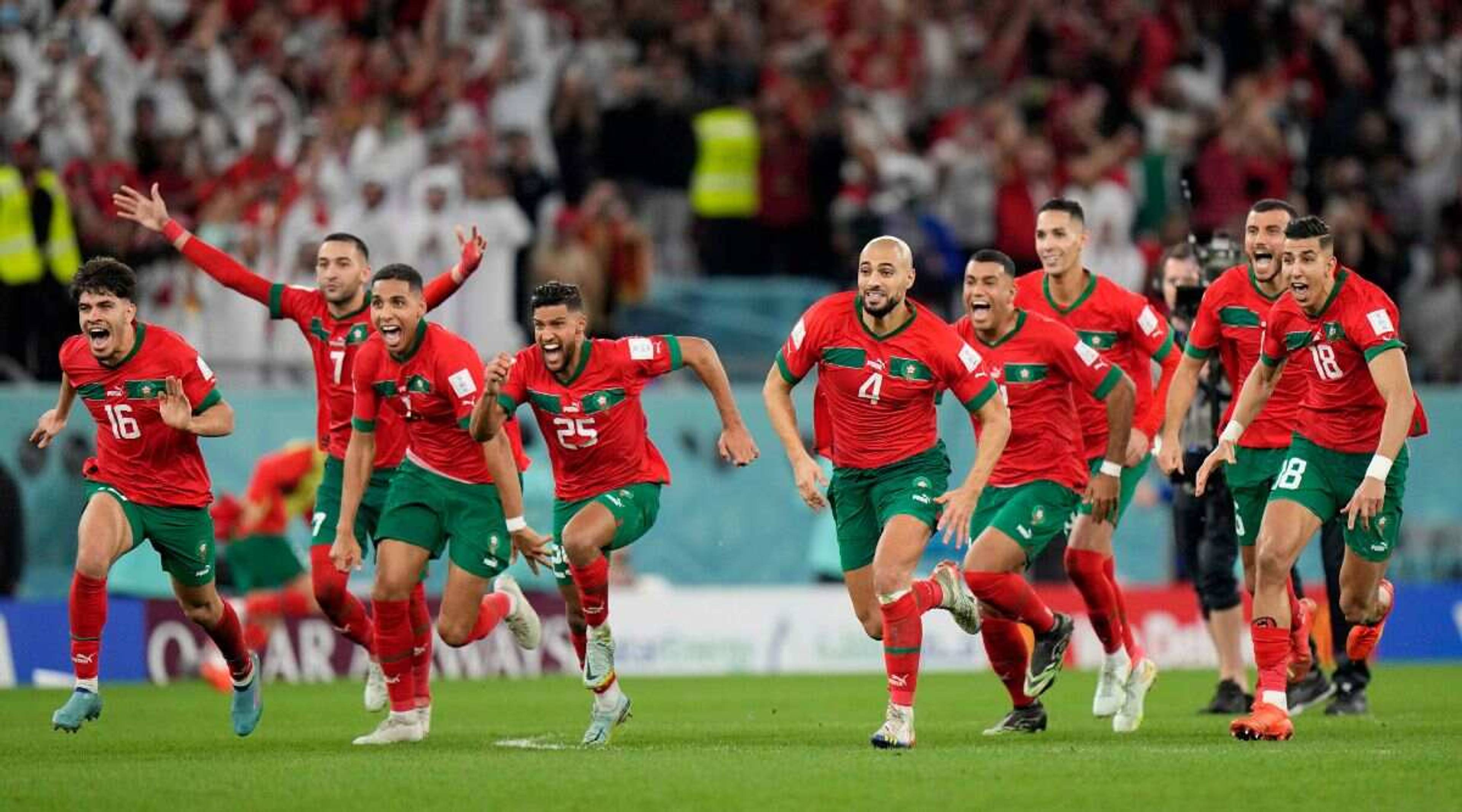
Beyond Morocco's World Cup 2022 Miracle: The $2 Billion Economic Impact
From the initial shockwaves of the 2022 World Cup miracle to the sustained dominance of the AFCON 2026 semifinals, this is the definitive story of how a sporting fairytale matured into a $2 billion economic engine, creating a lasting legacy that has fundamentally reshaped the North African landscape forever.
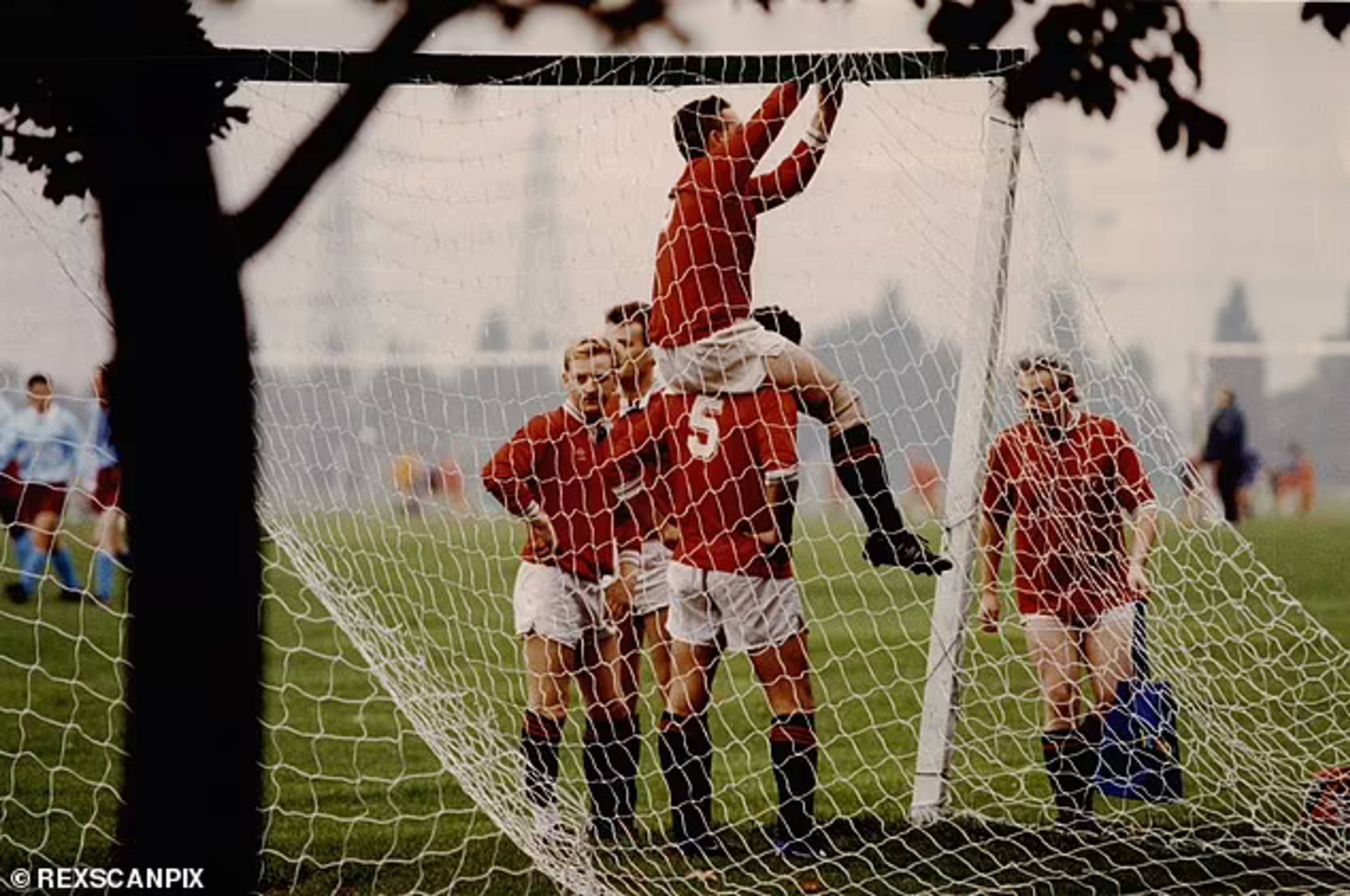
Sunday League Hangovers: Fat center-backs, smoking at halftime, and the beauty of amateur Football
Hackney Marshes stands as the spiritual cathedral of grassroots football, a 340-acre expanse where the beautiful game is stripped of its billion-dollar polish and returned to its rawest form. Built literally on the rubble of post-WWII London, it hosts thousands of players every Sunday who battle hangovers and freezing winds for nothing more than pride and a post-match pint.youtube Recently, this world of "fat center-backs" and halftime cigarettes has collided with global superstardom, from Ronaldo Nazário’s surreal cameo in Essex to David Beckham’s return to his East London roots.
From the Lab
Real questions. Interactive answers.Who actually plays like your favourite player?
A football experiment that compares statistical profiles across roles, then goes beyond a similarity score to show where the comparison makes sense — and where it breaks down.
What I'm Working on Next
A peek into upcoming stories & experiments.Testing whether statistical similarity can become a useful football decision.
Football did not simply lose the No.10. The game changed around the players who once lived between midfield and attack.
A restriction that should reduce competitiveness may actually strengthen identity, decision-making and long-term differentiation.
Italy has some of football's most iconic grounds, yet modernising them remains unusually difficult. The reasons go far beyond architecture.
Once treated as a novelty, pink has become one of football's most visible colors. Is it fashion, identity, commercial strategy, or something else?
One football question.
Every week.
No breaking-news race. No transfer spam. Just the next story, experiment or question worth thinking about.